Soap Box
Are “non-toxic” Cleaning Products Effective?
The quick answer, the safer cleaning steps, and what to avoid before using products around your home, church, school, or business.
Quick Answer
The safest answer depends on the surface, the soil, and the cleaner being used. In general, avoid mixing cleaning products, test a small hidden area first, follow label directions, and use the mildest effective cleaner for the job.
What to Avoid
Do not mix cleaning products to make them stronger. It can create fumes, residue, or surface damage.
Safer Approach
Use one cleaner at a time, follow directions, dilute properly, and test a small hidden area first.
Simple Cleaning
A good everyday cleaner should help simplify the cabinet, not make cleaning more complicated.
Why It Matters
Why This Cleaning Question Matters
Many cleaning mistakes happen when people combine products, use too much cleaner, or use the wrong product for the surface. A better approach is to identify the surface, choose one cleaner, dilute it correctly when needed, and test before cleaning a large area.
Important Safety Reminder
This article is for general educational purposes only. For exposures, strong fumes, serious symptoms, or chemical reactions, leave the area and contact Poison Control or emergency services.
Simple Step-by-Step Guidance
Step 1
Identify the surface you are cleaning.
Step 2
Remove loose dirt or debris first.
Step 3
Choose one cleaner and follow its directions.
Step 4
Test a small hidden area.
Step 5
Clean with a soft cloth, mop, or sponge.
Step 6
Rinse or wipe dry if the surface requires it.
Looking for a Simpler Everyday Cleaner?
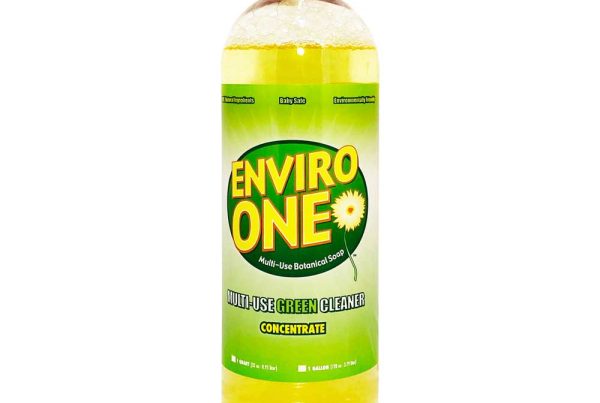
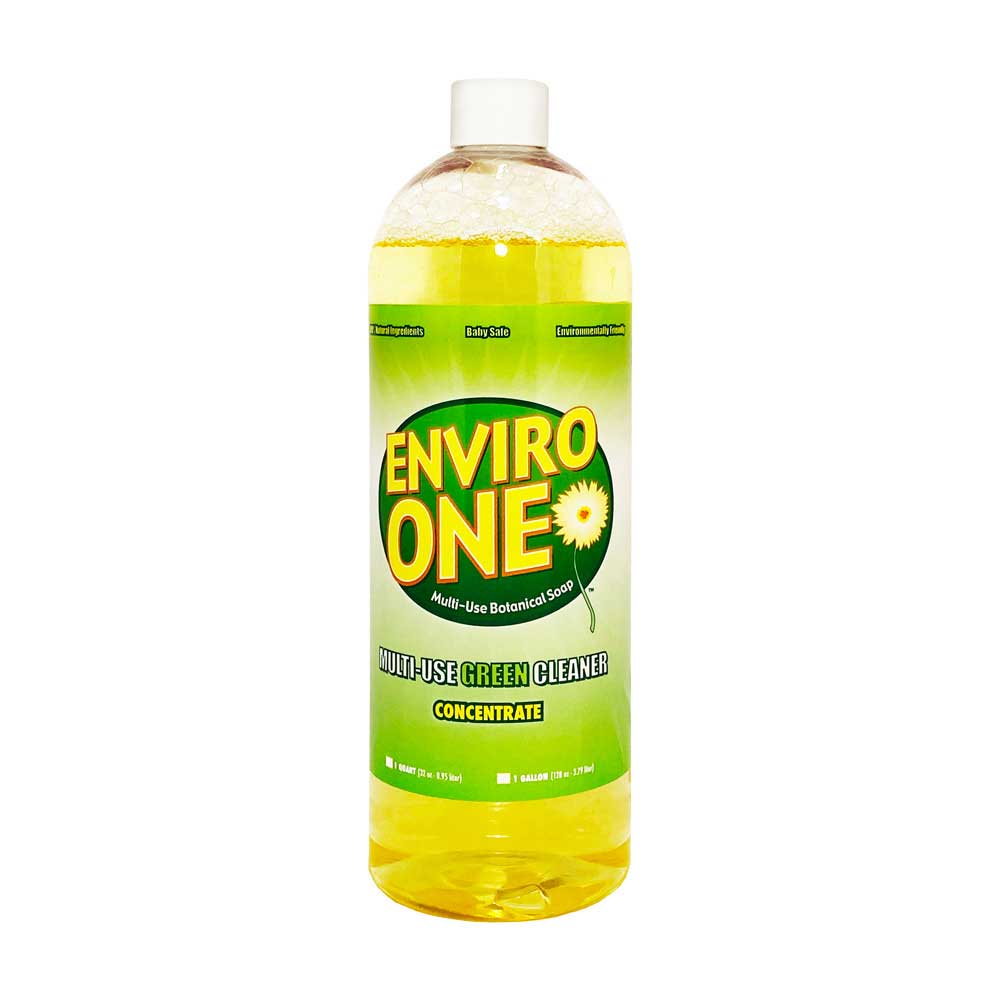
Looking for a simpler everyday cleaning option? Enviro-One Multi-Use Green Cleaner Concentrate is designed to help reduce the need for multiple harsh cleaners. Use it according to directions and dilute when appropriate for everyday cleaning jobs.
Use products according to label directions. Do not mix cleaning products.
Frequently Asked Questions
Clear answers to common questions about this cleaning topic and how to keep your home, family, and workspace safer.
?Should I mix cleaners to make them stronger?⌄
No. Mixing cleaners can create fumes, damage surfaces, or make the cleaning process less predictable. Use one product according to directions.
?Should I test the surface first?⌄
Yes. Testing a small hidden area helps prevent discoloration, streaking, or surface damage.
?Does more cleaner work better?⌄
Not always. Too much cleaner can leave residue and make the surface look dull or sticky.
?Is a concentrated cleaner a good option?⌄
A concentrate can be useful because it allows you to dilute for different cleaning jobs and reduce the number of bottles under the sink.
?When should I avoid cleaning a surface myself?⌄
Avoid cleaning if the surface is delicate, damaged, unlabeled, or if the mess involves hazardous material. In those cases, contact a qualified professional.
When in doubt, follow the label directions and avoid mixing products.
Related Soap Box Topics
Image Plan for This Draft
Use these prompts to create or choose images before publishing. Use generated hero images for article visuals, but keep real Enviro-One product images for product sections.
- Hero image: bright modern home cleaning scene, fresh kitchen or utility room, green and white Enviro-One inspired palette, no competing brand labels, no dangerous chemical mixing shown, clean premium editorial style.
- Infographic image: simple warning-style graphic explaining “Do Not Mix Cleaners” with icons for bleach, vinegar, fumes, fresh air, and safe single-product cleaning. Green, white, and soft yellow palette.
- Safer cleaning section image: peaceful family-safe cleaning scene, open airy home, natural light, non-toxic cleaning feel, premium website hero quality.
- Product CTA image: real Enviro-One product photo or clean product mockup area with green accent background and space for bottle image.
Editor note: Review safety statements and add citations before publishing. For chemical exposure topics, link to authoritative sources such as CDC, Poison Control, or a medical/environmental health source.