
How to Use Enviro-One to Clean Baseboard
Simple dilution guidance and practical step-by-step instructions for cleaning Baseboard with Enviro-One.
How to Use Enviro-One to Clean Baseboard
Enviro-One can be used as part of a practical cleaning routine for Enviro-One to Clean Enviro-One to Clean Baseboards. The goal is to loosen dirt, fingerprints and everyday buildup while using the dilution and application method shown in this guide.
Use the factual instructions below as your primary directions. Always test a small area first when surface compatibility is uncertain.
Recommended Mix & Use
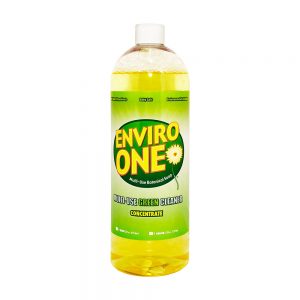
Regular Concentrate
Super Concentrate
Application / Finish
Why Use Enviro-One to Clean Baseboard?
Frequently handled and routinely used surfaces can collect dirt, fingerprints and everyday buildup. A consistent cleaning method helps remove buildup before it becomes harder to address.
Enviro-One is a concentrated multi-use cleaner, so the same product can be diluted for many documented applications around the home, office and other environments.
✓
♻
◎
✦
✓
How to Clean Baseboard
What You’ll Need
- Enviro-One Green Cleaner
- Clean water
- Clean application cloth or appropriate cleaning tool
- Clean drying towel
Step 1: Dilute
Prepare the recommended Enviro-One dilution for this application.
Step 2: Apply
Apply the solution using the method listed in this guide.
Step 3: Clean
Work over the surface methodically, paying attention to areas with visible buildup.
Step 4: Wipe / Finish
Apply with a damp cloth, wipe the surface, then dry as appropriate.
Step 5: Check
Test a small hidden area first when appropriate.
Important Notes & Cautions
- Do not allow excess cleaner or moisture into openings, seams or components that should remain dry.
- Follow the surface or equipment manufacturer instructions when they are more restrictive.
Pro Tips
- Use a clean cloth so you do not redeposit grime.
- Use only as much moisture as the surface requires.
- Dry the surface after cleaning when appropriate.
Common Mistakes to Avoid
- Using more cleaner than necessary
- Skipping a small-area test on an unfamiliar surface
- Allowing excess moisture to remain on sensitive areas
Frequently Asked Questions
What dilution should I use?−
Use the dilution listed in the Recommended Mix & Use section of this guide.
Can I apply Enviro-One directly?+
Use the application method listed in this guide. For moisture-sensitive items, applying the cleaner to the cloth is generally the more controlled method when the guide specifies it.
Should I test the surface first?+
Yes. When compatibility is uncertain, test a small hidden area before cleaning the entire surface.
Do I need to dry the surface?+
Follow the finish instructions in this guide. Drying is appropriate for many wipe-clean applications.
Can I use Super Concentrate?+
Yes when a Super Concentrate dilution is provided above; follow that specific ratio.
Where can I find other uses?+
Browse the Enviro-One User Guide directory for additional documented applications.
More About Cleaning Baseboard
Common Types of Buildup
Start by identifying the everyday soil or buildup on Enviro-One to Clean Enviro-One to Clean Baseboards.
- dirt
- fingerprints and everyday buildup
Start with a Clean Surface
Before wet cleaning, remove loose debris when appropriate. This helps the diluted cleaner contact the actual buildup more effectively.
Use the Recommended Dilution
The Enviro-One dilution shown in this guide is the starting point for this application. Using more concentrate than recommended is not automatically better and can waste product.
- Follow the guide-specific ratio
- Measure consistently
- Adjust only when owner-approved directions call for it
Use the Right Technique
Use a controlled application method around edges, seams, finished materials and other areas where excess moisture may be undesirable.
- Work methodically
- Use clean tools
- Finish the surface according to this guide
A Safer, Simpler Cleaning Routine
Many households prefer a non-toxic, fragrance-free cleaning routine because it reduces reliance on strongly scented specialty cleaners. Fragrance is not the same thing as cleanliness.
- Non-toxic approach
- Fragrance-free routine
- One concentrated cleaner for many documented uses
Know Your Options
Conventional cleaning products may use different systems depending on the job. Choose products based on the task, label directions, preferences and credible product information.
- Read labels carefully
- Choose the right method for the material
- Avoid assuming terms such as green or natural have one universal meaning
Why Choose a Non-Toxic Cleaner?
Many conventional cleaning products use strong fragrances, bleach, ammonia or other chemical systems for particular cleaning jobs. Choosing a non-toxic multi-use cleaner can help simplify the products kept around the home while reducing reliance on harsh-smelling specialty cleaners.
Product labels and credible third-party resources can help consumers compare cleaning products and understand environmental and ingredient considerations. Avoid assuming that vague terms such as green or natural automatically mean a product has been independently certified.
One Cleaner. 200+ Documented Uses. Browse all Enviro-One User Guides →
Recommended Enviro-One Products
32 oz ConcentrateView Product →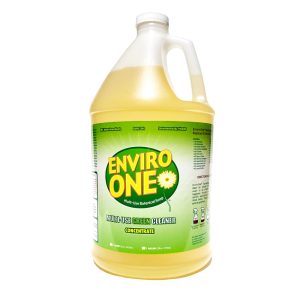 1 Gallon ConcentrateView Product →1 Gallon Super ConcentrateView Product →
Regular Concentrate vs. Super Concentrate
Both use the same Enviro-One multi-use cleaning approach at different concentration levels. Super Concentrate is approximately twice as concentrated, so less concentrate is needed when preparing a comparable diluted solution.
Additional Resources
From the Enviro-One Soap Box
 Are “non-toxic” Cleaning Products Effective?Learn the quick answer, what to avoid, safer cleaning steps, FAQs, and when Enviro-One may be a simpler everyday cleaning option.Read Article →
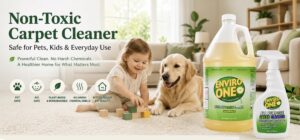 Non-Toxic Carpet Cleaner: The Ultimate Guide to Safe CleaningYou shouldn’t have to breathe harsh chemical odors to enjoy clean carpets. With a non-toxic carpet cleaner, you won’t have to. Non-toxic carpet cleaner…Read Article →
Trusted External Resources
Explore trusted sources for additional information related to this cleaning topic.
Ready to Clean Baseboard?
Use the recommended Enviro-One dilution above, or explore more than 200 documented Enviro-One uses in the complete User Guide.