
How to Use Enviro-One Green Cleaner as a Non-Toxic Windshield Washer Fluid
Use Enviro-One Multi-Use Green Cleaner to make your own non-toxic, eco-friendly windshield washer cleaner. This natural formula cleans effectively without releasing harmful fumes or leaving chemical residues on your windshield—making it safe for your vehicle, your health, and the environment.
-
 Select options This product has multiple variants. The options may be chosen on the product page
 -
Select options This product has multiple variants. The options may be chosen on the product page


Supplies Needed
- 1 clean, empty 1-gallon container
- Distilled or reverse osmosis (RO) water
- Enviro-One Multi-Use Green Cleaner Concentrate:
Regular Concentrate (100:1) or
Super Concentrate (180:1) - Optional: Non-toxic windshield washer antifreeze for cold weather (see below)
Instructions: Step One
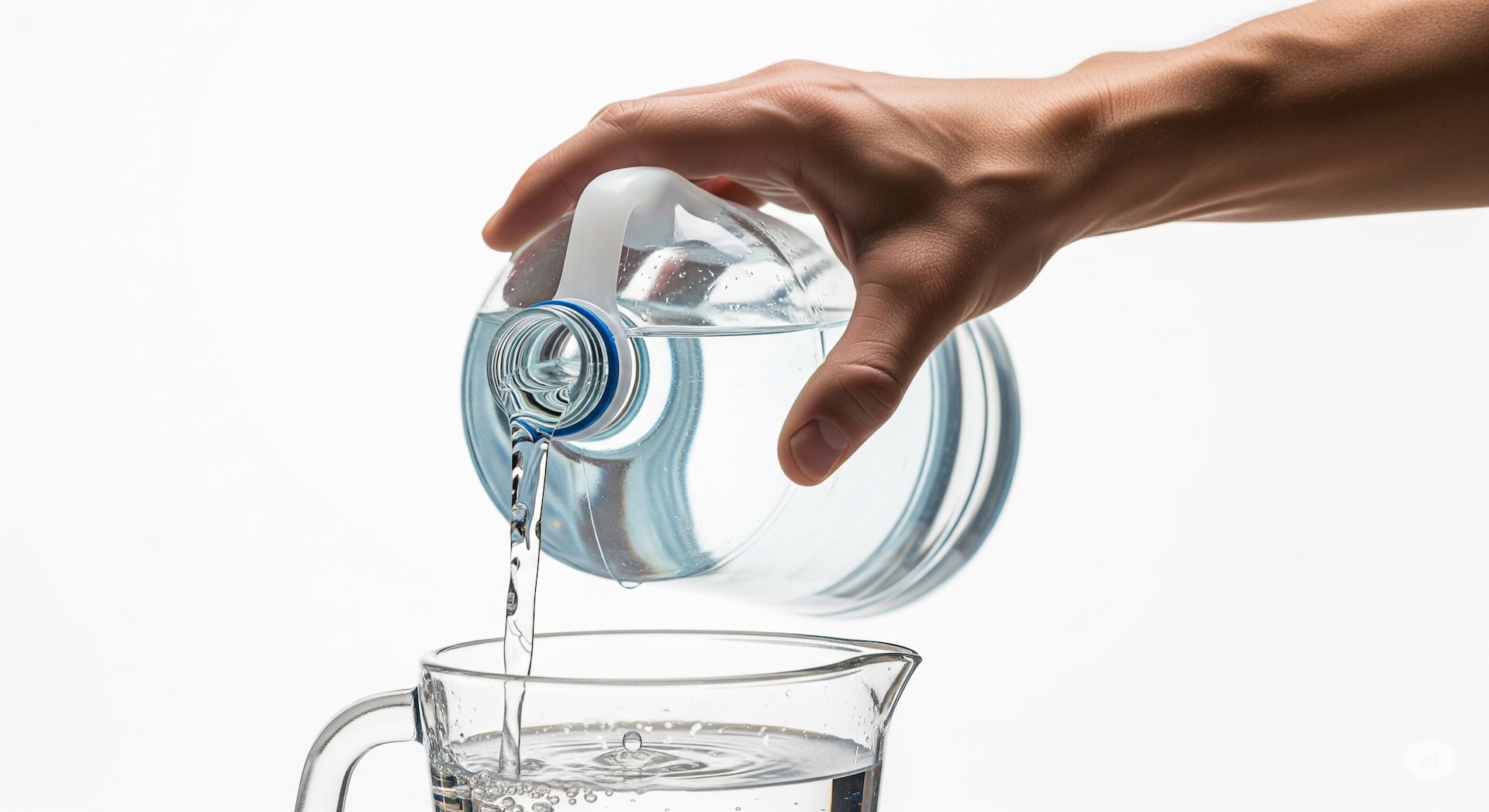
- Add Distilled or Reverse Osmosis Water: Pour 1 gallon of distilled or RO water into a clean container. Using distilled or RO water helps prevent mineral buildup in your car’s washer system and ensures a streak-free windshield. Tap water often contains minerals that can clog jets and leave spots on your windshield. Learn more about RO water here.
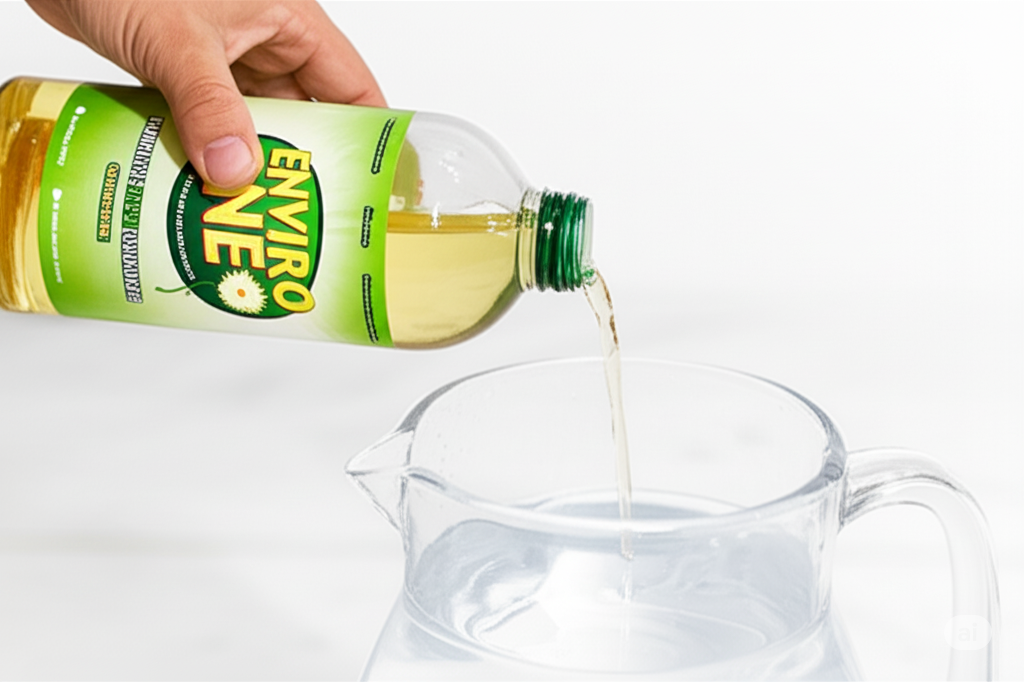
STEP 2
Mix in Enviro-One Green Cleaner:Add Enviro-One to the gallon of water and shake or stir well to blend:
-
- Regular Concentrate: Add 3 tablespoons
- Super Concentrate: Add 1.5 tablespoons
Enviro-One’s natural, plant-based formula safely removes road grime, bug splatter, and dirt without the need for toxic chemicals.
STEP 3
Pour into Vehicle’s Windshield Washer Reservoir:Carefully pour the prepared solution into your car’s windshield washer fluid reservoir. Be sure to label any remaining mix and store it safely for future use.
FOR COLD WEATHER
-
In colder climates, it’s important to prevent your windshield washer solution from freezing. To keep your Enviro-One windshield wash blend functional during freezing temperatures, you can add a small amount of vegetable-based glycerin—a safe, non-toxic ingredient derived from plants.
Add 2 to 4 tablespoons of vegetable glycerin per gallon of your windshield washer solution. Glycerin lowers the freezing point of water while maintaining the eco-friendly and non-toxic integrity of your mix.
Note: Always test a small batch to ensure compatibility with your vehicle’s system and climate conditions.
OPTIONAL
Add Food Coloring for Sensor-Equipped Vehicles
Some modern vehicles use windshield washer fluid level sensors that rely on the color or opacity of the fluid to detect its presence. Because Enviro-One Green Cleaner mixed with distilled water is clear, the sensor may not register the fluid properly. To fix this, simply add a few drops of food-grade coloring (such as blue or green) to the mixture. This helps the sensor detect the fluid while keeping your solution non-toxic and eco-friendly.
Tip: Use natural or plant-based food coloring if available to maintain the safety and integrity of your eco-friendly formula.
Eco-Friendly Tip:
Once you’ve emptied your gallon of Enviro-One™ Regular Concentrate or Super Concentrate, don’t waste the remaining soap residue! Fill the empty bottle with purified water, shake it well, and use the soapy rinse water to refill your windshield washer fluid container with Enviro-One’s Non-Toxic solution.
Why Use Enviro-One for Non-Toxic Windshield Cleaning?
- Non-Toxic & Biodegradable: Unlike conventional wiper fluids that may contain harmful chemicals, Enviro-One is safe for the environment.
- Streak-Free Cleaning: Helps remove dirt, grime, and bugs without leaving a residue.
- Safe for Your Car: Free of harsh chemicals that could damage paint, rubber seals, or wiper blades.
Health and environmental concerns
- Most conventional washer fluids use toxic alcohols like methanol and often ethylene glycol, which are poisonous to people and animals if swallowed and can harm the environment as they wash off roads into drains and waterways.[5][10]
- Methanol-based fluids are sprayed as a fine mist, so drivers and nearby pedestrians can inhale small amounts, which is especially concerning for chemically sensitive people.[8][10]
Impact on vehicles and materials
- The same aggressive solvents that cut through bugs and grime can also be corrosive and may damage paint finishes, plastic trim, rubber parts, and even some wiring and electronic components when spilled or overused.[6][7][5]
- Using the wrong type of washer fluid for the season (for example, a winter formula in warm weather) or mixing incompatible products can cause issues like residue, flocculation, and stress cracks in certain plastics such as polycarbonate headlamp lenses.[7][6]
Safety and performance issues
- Plain water or poorly formulated DIY mixes often lack detergents, surfactants, and lubrication, so they do a poor job of removing bugs, road film, and oily residue and can lead to glare, streaking, and reduced visibility, especially at night or when the sun is low.[1][3][5][7][8]
- Water alone freezes at 32°F and offers no protection in cold weather, which can leave the washer system unusable or even damage components if the fluid in the reservoir and lines freezes; by contrast, most commercial fluids include alcohols specifically to lower the freezing point.[1][5][6]
Hidden maintenance problems
- Hard tap water in washer reservoirs can leave mineral deposits that clog nozzles and hoses over time, and non‑distilled water can allow scum, algae, or mold to grow in the tank, which is difficult to clean out once established.[3][1]
- Some household cleaners people pour into the reservoir “in a pinch,” like dish soap or strong glass cleaners, can foam excessively, leave films on the glass, and even cause blistering, material breakdown, or stress cracks in plastics around the washer system.[6][7]
How your non-toxic cleaner answers these concerns
- A non‑toxic, plant‑based cleaner avoids methanol and similar toxic alcohols, so overspray is safer to breathe and far less hazardous if pets or wildlife encounter residue on the driveway or roadway.[4][10][8]
- When properly diluted, it still provides surfactants and lubrication to protect the pump and help wiper blades glide smoothly while delivering clear, streak‑free cleaning without harsh solvents.[2][4][8]
Helpful Resources
Sources
[1] Can I Use Water in Place of Windshield Washer Solvent?
[2] Non-Toxic Windshield Washer Fluid – Enviro-One – Enviro-One
[3] Stupid question but can I use water rather than windscreen wiper …
[4] Make Eco-Friendly Windshield Washer Fluid, to Save Time, Money …
[5] Do I Have to Use Windshield Wiper Fluid or Is Water OK? – Cars.com
[6] Homemade Windshield Washer Fluid: Yay or Nay? – CarParts.com
[7] DEKRA: The wrong windshield washer fluid can become a safety risk
[8] Why switching to non-toxic windshield wiper fluid is a good idea
[9] Safe and Environmentally Friendly Windshield Washer Fluid
[10] Greening Your Car with Non-toxic Alternatives – Eartheasy
DILUTION CALCULATOR
-
Select options This product has multiple variants. The options may be chosen on the product page
-
Select options This product has multiple variants. The options may be chosen on the product page


