What Cleaning Products Are Better for People With COPD?
Strong fragrances, bleach odors, aerosols, and chemical fumes can make cleaning uncomfortable for people with COPD and other respiratory sensitivities. Learn what to look for in a cleaner—and how Enviro-One offers a fragrance-free option for everyday cleaning.
Fragrance-Free •
No Bleach or Ammonia •
Concentrated
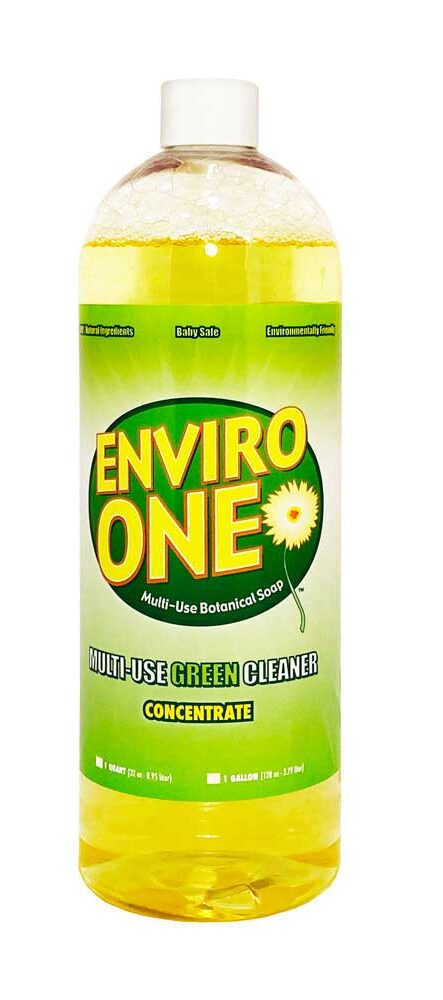
Enviro-One 32 oz Concentrate
A fragrance-free, concentrated cleaner for everyday household surfaces.
Makes 6-bottles of ready-to-use cleaner.
Quick Answer
What cleaning products are better for people with COPD?
When looking for cleaning products safe for COPD patients, it is important to consider strong fragrances, aerosols, bleach odors, ammonia, and cleaners that release irritating fumes. Look for a cleaner that is fragrance-free, used as directed, and appropriate for the surface being cleaned.
Enviro-One is a fragrance-free, concentrated multi-use cleaner that does not rely on bleach or ammonia. Individual sensitivities vary, so test the product cautiously, avoid creating airborne mist, and follow advice from your healthcare provider.
Why Some Cleaning Products Can Irritate Sensitive Lungs
Many household cleaners contain fragrances, solvents, bleach, ammonia, or ingredients that can produce noticeable fumes or airborne droplets.
The American Lung Association advises consumers to read labels and consider products with reduced amounts of VOCs, fragrances, and irritants. People with COPD and other respiratory conditions may react more strongly to fragranced products.
- Strong artificial fragrances
- Aerosol sprays that create airborne droplets
- Bleach and ammonia odors
- Products that require mixing with other chemicals
- Heavy fumes in enclosed rooms
Look for
A simpler cleaning routine with fewer strong odors
Why Consider Enviro-One for a Low-Odor Cleaning Routine?
Enviro-One Multi-Use Green Cleaner Concentrate provides a fragrance-free way to handle many everyday cleaning jobs without relying on bleach, ammonia, or added synthetic fragrances.
- Fragrance-Free – No added perfumes or strong masking scents.
- No Bleach or Ammonia – Avoids two common sources of strong cleaning odors.
- Concentrated – Mix only the amount needed for the cleaning task.
- Multi-Use – Designed for many household surfaces and everyday messes.
- Non-Aerosol Option – Apply to a microfiber cloth when you want to reduce airborne spray.
How to Reduce Airborne Irritants While Cleaning
Cleaning Products and Practices to Approach Carefully
- Aerosol sprays and fine cleaning mists
- Strong artificial fragrances and air fresheners
- Bleach or ammonia fumes
- Mixing two or more cleaning products
- Dry dusting or sweeping that sends particles into the air
- Essential oils or natural fragrances if they trigger symptoms
Important: “Natural” does not automatically mean non-irritating. Vinegar fumes, essential oils, and fragranced botanical products may still bother some people with respiratory sensitivities.
Choosing a cleaner
7 Things to Look for in Cleaning Products for COPD
There is no single cleaning product that is guaranteed to work comfortably for everyone with COPD. However, choosing products and cleaning methods that reduce unnecessary fragrances, fumes, aerosols, and airborne particles may help create a more comfortable cleaning routine.
Frequently Asked Questions About Cleaning With COPD
These are some of the most common questions people ask when looking for cleaning products for COPD, respiratory sensitivities, or homes where strong fragrances and chemical odors are a concern.
What cleaning products are better for people with COPD?
There is no single cleaner that is guaranteed to be comfortable or symptom-free for every person with COPD. When possible, consider fragrance-free products, reduce aerosols and fine mists, avoid products with strong odors that bother you, and follow all label directions. Personal triggers vary, so discuss concerns with your healthcare provider.
Can cleaning products make COPD symptoms worse?
Some people with COPD are sensitive to fragrances, chemical fumes, aerosols, dust, and other airborne irritants. Exposure to a particular cleaning product may cause coughing, wheezing, shortness of breath, chest tightness, or discomfort in sensitive individuals. If cleaning causes symptoms, stop the activity, move away from the exposure, and follow your healthcare provider’s instructions.
Is bleach safe to use if you have COPD?
Bleach has a strong odor and can irritate the eyes, skin, and respiratory tract. Some people with COPD may find bleach fumes particularly uncomfortable. If bleach is required for a specific cleaning or disinfecting task, follow the label carefully, provide appropriate ventilation, and never mix bleach with ammonia, vinegar, acids, or other household cleaners.
Are aerosol cleaning sprays bad for COPD?
Aerosols and fine spray mists can place small droplets into the air where they may be inhaled. For people who are sensitive to airborne cleaning products, applying a cleaner directly to a cloth when appropriate may reduce the amount of spray released into the room.
Is fragrance-free the same as unscented?
Not necessarily. Some products described as unscented may contain ingredients intended to mask other odors. If fragrances bother you, look specifically for products labeled fragrance-free and review the product information carefully.
Are natural cleaning products automatically better for COPD?
No. Natural does not automatically mean non-irritating. Vinegar fumes, essential oils, botanical fragrances, and other naturally derived substances may still bother people with respiratory sensitivities. Personal tolerance matters more than whether a product is described as natural.
What is the best way to clean a house when you have COPD?
Consider working in small areas, using damp microfiber cloths or mops to capture dust, avoiding unnecessary aerosols, choosing fragrance-free products when possible, and taking breaks if cleaning becomes uncomfortable. Follow your treatment plan and your healthcare provider’s advice about known triggers.
Should I ventilate while cleaning if I have COPD?
Follow the cleaning product label and your healthcare provider’s recommendations. Increasing airflow may help reduce the buildup of odors, fumes, or airborne particles indoors. However, outdoor air quality, pollen, smoke, extreme temperatures, and other individual COPD triggers should also be considered.
Why might someone with COPD consider a fragrance-free cleaner?
Fragrances can be bothersome for some people with COPD and other respiratory sensitivities. Choosing a fragrance-free cleaner removes one potential source of added scent from the cleaning routine, although individual reactions to other ingredients can still vary.
Is Enviro-One safe for everyone with COPD?
No cleaning product should be described as universally safe or symptom-free for every person with COPD. Enviro-One is a fragrance-free multi-use cleaner that does not rely on bleach or ammonia for everyday cleaning. Individual sensitivities vary, so follow the product directions and your healthcare provider’s recommendations.
How can I reduce cleaning spray in the air when using Enviro-One?
For surfaces where the cleaning directions allow it, apply Enviro-One directly to a microfiber cloth instead of creating a fine spray in the room. Never intentionally spray any household cleaner into the air.
A fragrance-free option for everyday cleaning
Simplify Your Cleaning Routine With One Fragrance-Free Cleaner
Enviro-One Multi-Use Green Cleaner Concentrate is designed for many everyday household cleaning jobs without added synthetic fragrances, bleach, or ammonia.
The 32 oz Concentrate makes up to six 32 oz bottles of ready-to-use cleaner, giving you one concentrated product for countertops, appliances, walls, floors, bathrooms, and many other washable surfaces.
For people concerned about strong cleaning odors: Enviro-One can also be applied directly to a microfiber cloth when appropriate, helping reduce unnecessary spray in the air.
Enviro-One 32 oz Concentrate
Fragrance-free concentrated cleaner for everyday household surfaces.
Makes up to 6 bottles of ready-to-use cleaner.
Learn More About COPD, Cleaning Products and Indoor Air
For additional information about fragrances, cleaning chemicals, indoor air quality, and respiratory health, visit these independent health and environmental resources:
Medical notice: This page provides general cleaning and indoor-air information and is not medical advice. COPD severity, triggers, and sensitivities vary from person to person. Follow your healthcare provider’s recommendations and the directions on every cleaning product label. If a cleaning product or cleaning activity causes difficulty breathing, coughing, wheezing, chest tightness, dizziness, or other concerning symptoms, stop the activity, move away from the exposure, and follow your healthcare provider’s instructions.
Product note: References to fragrance-free cleaning describe product characteristics and are not a claim that a product will prevent, treat, or eliminate COPD symptoms.